What stamps tell you about a country and its era
Published on 21 August 2026 · 3 min read
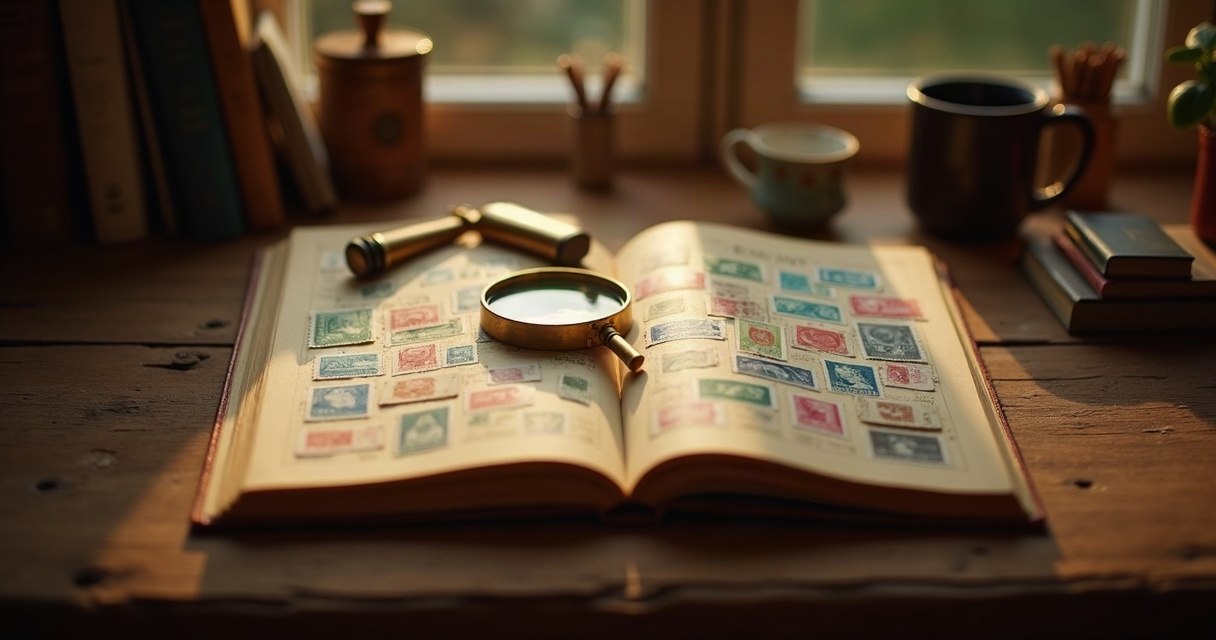
Look at the corner of a postcard or an envelope: that little perforated rectangle says far more than it seems to. A stamp is a country introducing itself to the world in a few square centimetres. What it chooses to show — a monument, a face, a flower, a sporting victory — reveals what it wants to be, or what it wants you to remember about it.
An official portrait in miniature
Every state decides what goes on its stamps, and that choice is never innocent. France passed its Marianne from hand to hand for decades, while Britain has printed its monarch's profile since 1840 and the very first Penny Black. Elsewhere, countries celebrate poets, steam trains, rare birds. Leaf through a stamp album and you travel through independences, currency changes, regimes that rise and vanish. Some countries that no longer exist survive only there, between the pages of a collector's binder.
A mirror of its time
Stamps follow the spirit of the age, too. The sixties put rockets and satellites on them, the 2000s brought logos and photographs. The subjects keep shifting: cathedrals and generals yesterday, comic-book heroes and family recipes today — there are even stamps you can scratch or smell. Postal services release dozens of new designs every year, and some collectors wait for them the way others wait for a new record. A stamp from 1936 and one from 2026 don't describe the same country, and that's exactly what makes them fascinating.
And on your card?
Next time a card lands in your letterbox, take two seconds to look at the stamp before reading the message. It tells you where the card comes from, when it travelled, sometimes what the country was celebrating that year. It's a small thing, but details like that are the charm of real mail. With UnCoucou, your photo is printed, stamped and posted from €2.29 all included: the postman does the rest, and your hello joins a story that has been moving from letterbox to letterbox for nearly two centuries.