Deltiology: Inside the World of Vintage Postcard Collectors
Published on 3 August 2026 · 4 min read
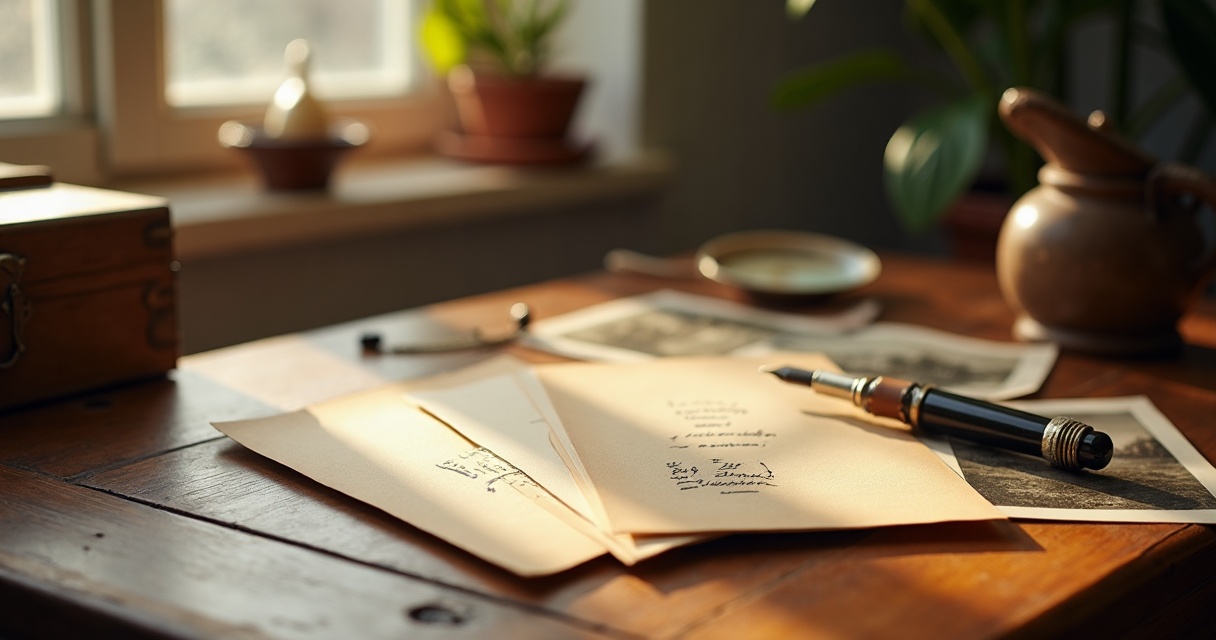
The word raises an eyebrow the first time you hear it: deltiology. It comes from the Greek deltion, a small writing tablet, and means the collecting of postcards. Behind that slightly academic name sits the third most popular collecting hobby in the world, just after stamps and coins. Millions of people comb through flea markets on Sunday mornings hoping to find the street they grew up on, a harbour that no longer exists, a village fair photographed in 1912.
Why anyone collects these bits of card
Rarely for the money. A common card sells for one to three euros, and it takes a genuinely rare piece to break a hundred. What people are after is something else. An old postcard is a photograph with a date and a place attached, and often the only surviving image of somewhere before it was rebuilt. Collectors focused on their own town sometimes manage to reconstruct an entire street, facade by facade, from views taken between 1900 and 1930.
Then there is the back. Plenty of collectors admit they read the message before they look at the picture. Three pencil lines from a stranger to her sister, a "we arrived safely, it's raining" from 1908: that is raw everyday life, unfiltered, written by people who never imagined anyone would read it a century later.
Getting started without losing your weekends
The easiest approach is to pick a narrow theme from day one. Your town, one valley, lighthouses, bandstands, cards posted on New Year's Day. Without a thread you simply accumulate; with one, you build something. Watch the condition too: a folded corner or a damp stain sends the value down, while handwriting on the back usually adds charm. Store everything upright, in neutral sleeves, away from the light.
The funny part is that the loop keeps turning. The cards you send from holiday today, with your own photo printed on them (from EUR 2.29 all in, see our pricing), may well end up in a shoebox someone opens in 2120. Card stock lasts better than you would think.