Why getting real mail still feels so good
Published on 2 August 2026 · 3 min read
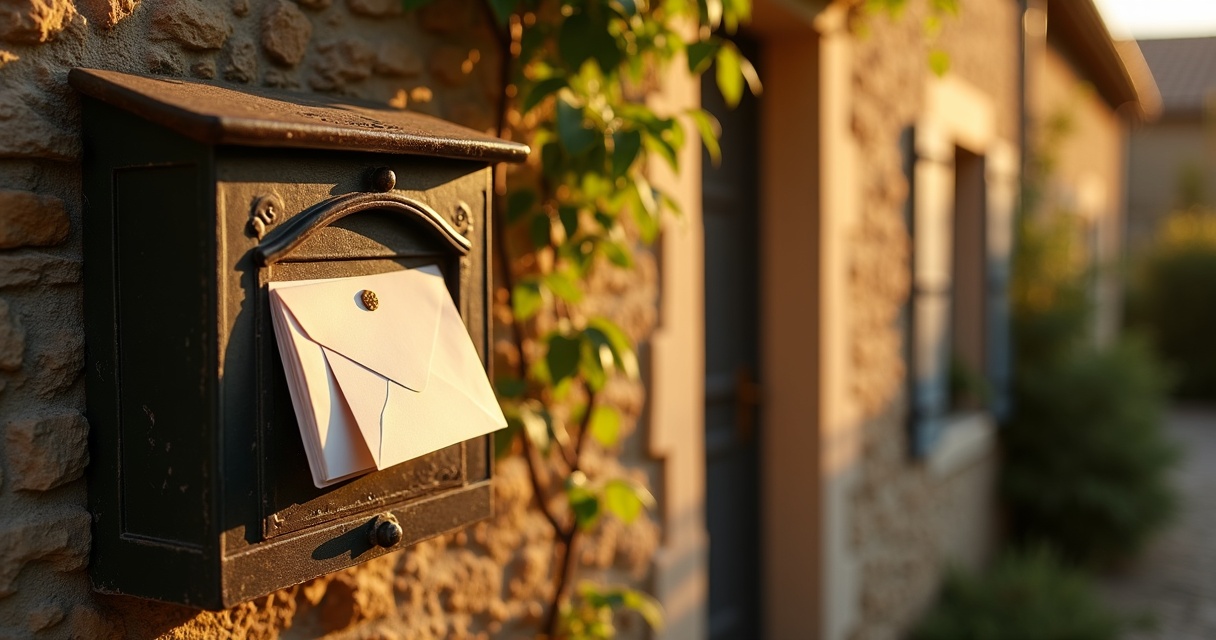
There's a gesture you make without thinking: lifting the flap of the letterbox on your way in. Nine times out of ten it's a bill, a pizza flyer, a supermarket ad you toss before you've even reached the top of the stairs. And then one day, wedged between two window envelopes, there's a card. A real one, with a photo on the front and handwriting you recognise on the back. That little second of surprise, everyone knows it.
Mail forces you to slow down
A message arrives in a second and vanishes just as fast under the next batch of notifications. A card took three days to cross the country. Someone picked one photo out of three hundred, sat down at a café table and worked out what to write in a ridiculously small space. That time shows. You can read it in the handwriting squeezing together at the bottom because there was no room left, in the crossed-out word, in the typo left exactly as it was. Nothing about it is perfect, and that's precisely what gets you.
Something that stays
Last year's birthday message? You'll never find it again. The card, you will. It's on the fridge under a magnet, in the sideboard drawer with the others, or tucked inside a book. Grandparents keep them for years, sometimes for a lifetime. And kids love seeing their own name on an envelope meant just for them: many have never received mail at all, and the first time leaves a mark that lasts far longer than you'd think.
Being chosen, quite simply
In the end, what pleases isn't the object but what it says: someone thought about you enough to see the whole thing through. Writing, finding the address, posting it. A small effort that says an enormous amount. The good news is that this pleasure is easy to pass on. A photo from your phone, a few lines, and the card leaves the same day for someone's letterbox, from €2.49, everything included. All that's left is deciding who, this week, deserves to find something other than a bill on their way in.