Why the postcard is making a comeback
Published on 31 July 2026 · 3 min read
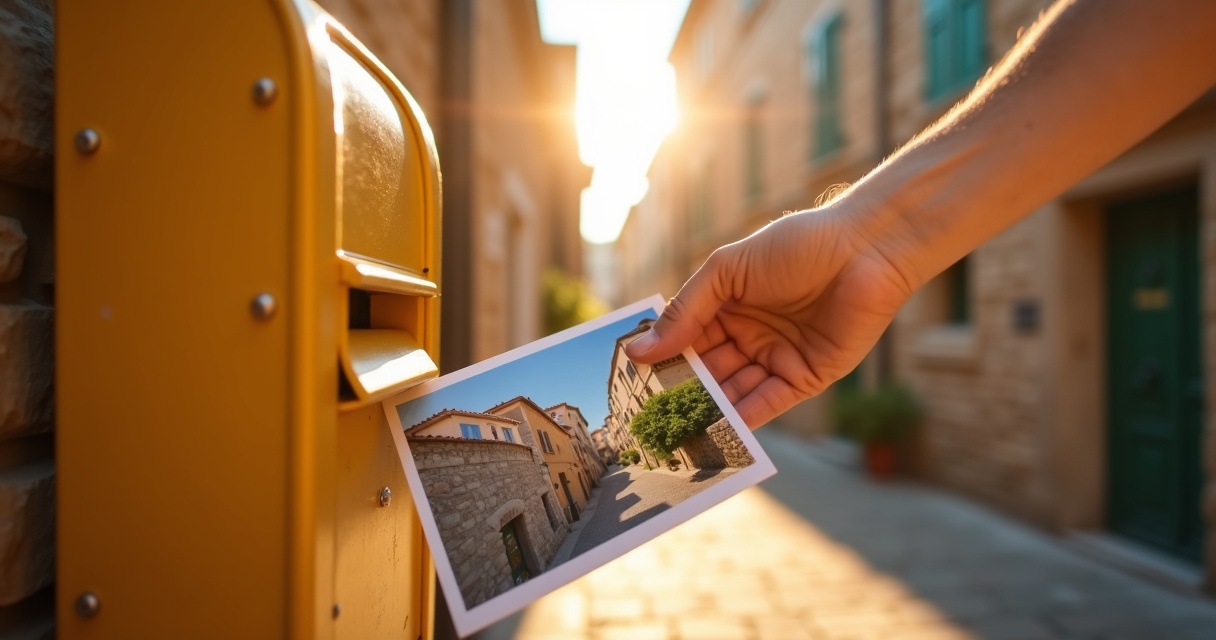
Ten years ago, everyone was writing the obituary of paper mail. Postcards were meant to end up in the museum of outdated things, somewhere between the fax machine and the phone booth. It didn't quite work out that way. Shops still sell them, people still ask for them, and services like ours post them every week straight from a phone. Paper didn't lose. It simply changed jobs.
A message that doesn't vanish in three seconds
You drop a holiday photo into a group chat. It gets seen, liked, then swallowed by fifty other messages. The next day nobody can find it. That same photo printed on thick paper ends up on your mum's fridge and stays there for six months. It sounds silly, but it's exactly what digital can't do: leave a trace that takes up space in someone's kitchen.
The gesture counts as much as the words
Sending a message takes two seconds, and everyone knows it, including the person receiving it. A postcard implies that someone picked a photo, wrote a few lines, thought about the address. Even when it all happens from a phone in three minutes, the object that lands in the letterbox says: I took the time. Grandparents feel it straight away. So do kids, actually. A card with their own name on it is a small event.
Nostalgia, minus the hassle
What changed isn't the desire, it's the friction. You used to need an open shop, a stamp, a letterbox, usually in August, in a village where everything shuts at noon. Plenty of cards got written in the suitcase and posted in September, or never at all. Now you pick your photo, type your message, and the printing and postage take care of themselves, from €2.49 all in. The nostalgia survived, the chore didn't.
That's probably the real comeback: not a retro whim, but a way of making a moment last a little longer than a scroll. A square of paper on a fridge often beats a story seen by a hundred people.